Where Profit Meets Purpose · Founded 2000

Own a business
that builds joy.

A research-backed children's dance franchise, grounded in 26 years of operating experience, a peer-reviewed University of Pennsylvania mood study, and new Stanford University research in 2026.

$124–$196K
Total investment (FDD Item 7)
~$445K
Avg. gross revenue / location, 2025*
9 studios
Operated across 26 years
A young Twinkle Star dancer during class
We don’t just teach dance—we study how joy grows.
— Tiffany Henderson, Founder
FranServe 2026Fran-tastic Brand
UPennPeer-reviewed mood study
StanfordTwo 2026 research studies
Since 200026 years of operating experience
Average gross revenue: ~$445,000 per location CY2025, 6 continuing locations* · FDD Item 19
The thesis

The dance studio business most people run—
and the one we actually built.

Before Twinkle Star became a franchise, we owned and operated nine dance studios of our own. We tried almost every version of this business you can imagine. Then we tried one the industry doesn’t talk about.

What the industry teaches you to build

Multi-room, high-drama, thin-margin.

  • 3,000+ square feet, multiple rooms, multiple teachers running classes at once
  • A competition team. Solos, duos, trios. Convention circuit. Travel.
  • A full recital production plus a second performance, usually holidays
  • A performing company. A junior company. Maybe a mini company.
  • 150–300 dancers spread across everything
  • Busy lobby from outside. 70-hour weeks and surprisingly thin margins from inside.
What actually worked across nine locations

One room. 300+ dancers. Calm. Profitable.

  • 1,000–2,000 sq ft. One dance floor. One mirror wall.
  • One teacher at a time. One schedule. One pay rate to manage.
  • 300+ dancers in a smaller footprint than the multi-room studio down the street
  • No competition team. No solos, duos, trios, or conventions.
  • Two recitals a year. Simple. Celebratory. Every family on stage. Nobody ranked.
  • Higher margins, fewer owner hours, dramatically less drama than the complex model.
Twinkle Star Dance Academy Lisle/Naperville: a single-room studio full of families on a Sunday morning
Twinkle Star Dance Academy, Lisle/Naperville, Illinois. One room. One teacher. A studio full of families on a Sunday morning.

This is the thesis behind every Twinkle Star Dance Academy we franchise. The one-room model, built out by a franchise system that removes the complexity you don’t want.

What makes Twinkle Star different

Three claims that stand up to scrutiny.

01 — Research-backed

Peer-reviewed foundations.

A prospective repeated-measures mood study with the University of Pennsylvania, currently at Stage 5 of 7 in peer review at Frontiers in Psychology with both independent reviewers endorsing publication. A second study with Stanford University on executive function launched April 2026.

02 — Operator-built

26 years. Nine studios.

Before Twinkle Star was a franchise, it was nine studios we owned and ran ourselves. The franchise system isn’t theory. It’s the operating playbook that emerged after two and a half decades of learning what works—and what doesn’t—in real rooms with real families.

03 — Accessible investment

$124K–$196K total.

On par with tutoring franchises like Mathnasium. A fraction of gymnastics, swim, or boutique fitness. Virtual Assistant team handles scheduling, billing, and parent follow-up. Costumes ship direct to families. You run the studio, not the inbox.

Our story

Bring Twinkle Star to
your community.

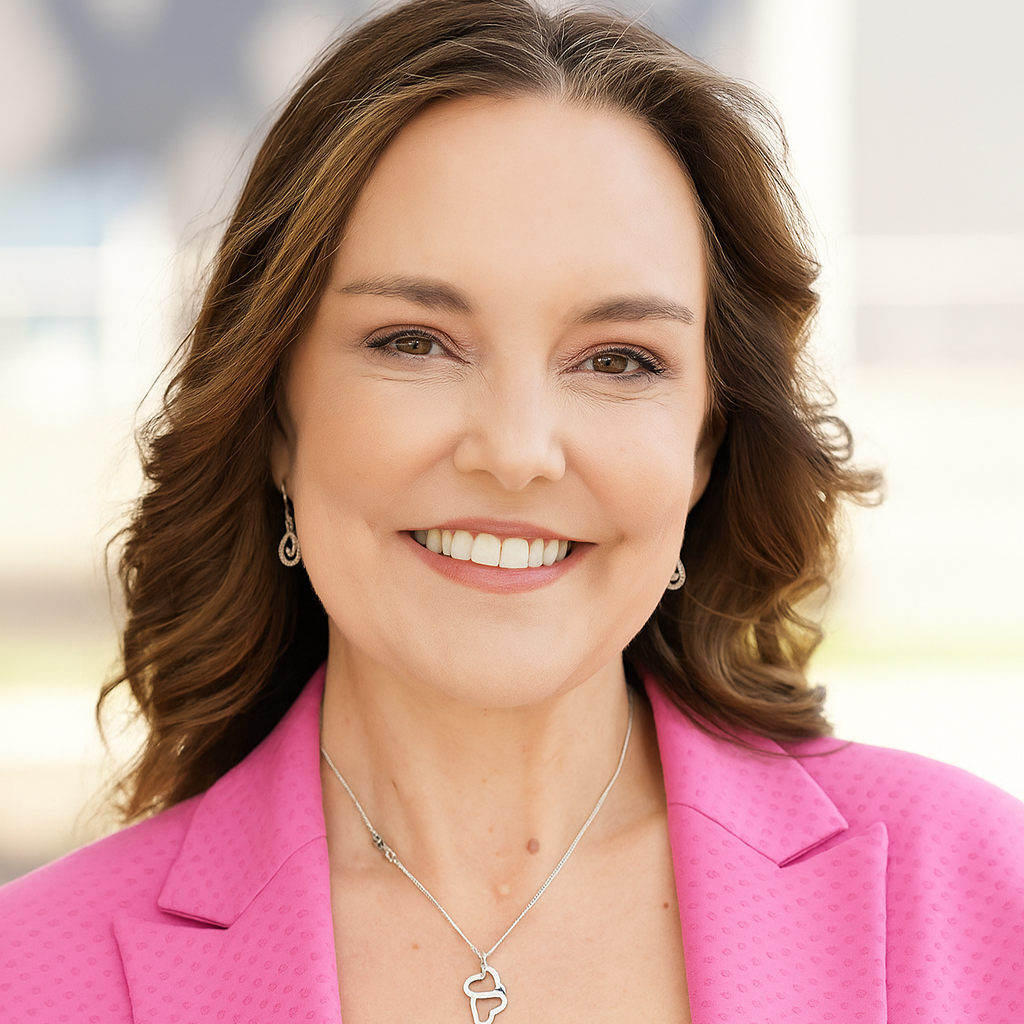
Tiffany Henderson, founder of Twinkle Star Dance Academy

What began as a single studio in Livermore, California in 2000 grew into an operating laboratory—and became a research partnership with one of the most selective applied-science programs in the country.

Twinkle Star Dance Academy was founded by Tiffany Henderson in 2000. Tiffany is a Magna Cum Laude graduate of the University of Arizona’s Bachelor of Fine Arts in Dance—one of the country’s most selective dance BFA programs. She later earned her Master of Applied Positive Psychology (MAPP) at the University of Pennsylvania, the program founded by Dr. Martin Seligman, the father of positive psychology. The curriculum she has built over 26 years became the foundation of a formal research program measuring how dance participation relates to child and adolescent mood.

That program runs today through Dance Positive™, a proprietary technology platform built in-house. Through Dance Positive, our current season has recorded more than 60,000 mood measurements across 25,000+ paired pre/post-class observations. The findings are now under peer review at Frontiers in Psychology (Performance Science section, manuscript ID 1719704), with both independent reviewers endorsing publication.

A parallel study with Stanford University, measuring executive function in dancers ages 3–4, launched April 2026. A second Stanford study on Mood and Positive Affect is currently pending IRB approval and, once approved, will take over the ongoing mood-measurement program in the 2026–27 season as Tiffany transitions from her MAPP studies.

Twinkle Star franchisees are the next chapter. Same curriculum, same research commitment, same community recital experience—brought to their own markets. Same sparkle, everywhere.

Why Twinkle Star

Four reasons prospective owners take the second call.

01 — The research warrant

Credibility no dance franchise can match.

Findings show a statistically significant association between dance participation and positive mood outcomes (p < .001), with 85.8% of sessions showing mood maintained or improved. Your franchise contributes to an active research network with UPenn and Stanford. No competing dance franchise has one.

02 — The economics

Recurring revenue, broad market, lower ceiling.

Average gross revenue of ~$445,000 per continuing location in 2025 (6 locations, see FDD Item 19). Multiple revenue streams: tuition, recitals, performance fees, costume profits, dancewear, specialty events. Ages 2 through teens means longer retention than boutique ballet programs that cap at age 8.

03 — The systems

VA team. Automated marketing. Zero inventory.

A dedicated Virtual Assistant team handles scheduling, billing, and parent follow-ups. Dance Positive™ runs the CRM, mood tracking, gamification, and research analytics. Costumes and dancewear ship direct to families. You lead the studio. The system handles the rest.

04 — The mission

Where profit meets purpose.

Adolescent depression has climbed from 8.1% in 2009 to 20.1% today (CDC). Twinkle Star applies the PERMA framework of positive psychology to a weekly ritual families already trust. Operators also join the Raising the Barre nonprofit partnership and its community impact work.

How we compare

The children’s enrichment category, at a glance.

Franchise Total Investment Focus / Ages Served
Tutu School$89K – $150KBallet only (ages 0–8)
Mathnasium$113K – $150KAcademics (ages 4–17)
The Little Gym$519K – $757KGymnastics (ages 0–12)
Goldfish Swim$1.7M – $3.7MSwim (ages 4 mo–12)
Twinkle Star Dance $124K – $196K Dance (ages 2–teens)

Competitor investment ranges sourced from publicly available Franchise Disclosure Documents and may not reflect current figures; verify independently. Twinkle Star figures per 2026 FDD Item 7.

The research spotlight

Peer-reviewed. Not marketing-reviewed.

60,038+
Mood measurements, current season
25,814+
Paired pre/post observations
+6%
Pre/post mood lift (p < .001)
85.8%
Sessions with mood maintained or improved
Instructor conducting a mood check-in on an iPad at Twinkle Star Dance Academy, Lisle/Naperville
Mood check-in at TSDA Lisle/Naperville, April 2026. This is how the data gets collected: before and after every class, every student, every session.

Twinkle Star’s research program is built on a large, ongoing pre/post mood dataset collected through the Dance Positive™ platform. Mean mood ratings rose from 5.39 pre-class to 5.73 post-class on the 7-point PANAS-C scale—a +6% lift observed across beginners, advanced students, and every class type we teach.

The curriculum itself is grounded in Dr. Martin Seligman’s PERMA framework of flourishing. The research measures the same dimensions the curriculum is designed to support.

Positive Emotions
Engagement
Relationships
Meaning
Achievement
Peer review status
“Mood Changes of Children and Adolescents in Dance Classes: A Prospective Repeated-Measures Study”
Tiffany C. Henderson, Paul Henderson, Claire Robertson-Kraft & Judy Saltzberg Levick
Frontiers in Psychology · Performance Science · Manuscript ID 1719704
Stage 5 of 7 · Both reviewers endorsed
Methodology, in plain language. Prospective repeated-measures observational study. Instrument: PANAS-C (Positive and Negative Affect Schedule for Children). Design: Ecological Momentary Assessment with multilevel modeling. Because the measure uses a 7-point scale, a portion of students arrive at a score of 7 (“ceiling”) and cannot register further improvement mathematically. This is a known methodological constraint we address with Tobit regression in the full analysis. Full statistical detail and ceiling-effects correction live on our Research Spotlight deep-dive page.

Two parallel studies with Stanford University are advancing the research in the 2026–27 season. An executive function study in young dancers ages 3–4 launched April 2026. A second study—the Mood and Positive Affect study, currently pending IRB approval—will take over continuous mood measurement as Tiffany’s MAPP studies conclude.

The benefits

What you’re actually buying into.

01

Proprietary curriculum

Battle-tested across 312+ subscribing studios. Tap, ballet, jazz, hip-hop, lyrical, contemporary, creative movement—all built on the PERMA framework that grounds the research.

02

Dance Positive™ platform

Four portals—Student, Parent, Instructor, Research Command. Gamification, mood tracking, skill progression, and the research analytics that power the peer-reviewed data above.

03

Priceography™ pricing

Proprietary pricing intelligence tool. Market data, parent willingness-to-pay modeling, and studio economics tailored to your specific location. Replaces guessing with knowing.

04

VA team + zero inventory

Virtual Assistants handle scheduling, billing, enrollment, and parent follow-up. Costumes and dancewear ship direct to families. No stockroom. No overstock. No late nights doing admin.

The platform

Dance Positive: four portals, one connected system.

Your studio management software handles scheduling, billing, enrollment. Dance Positive™ handles everything that software wasn’t designed to do: the research, the gamification, the analytics.

S
Student portal
The dancer’s view
  • Pre/post mood check-ins feeding directly into the research
  • Gamified quests with real progression tiers
  • Points economy tied to a real rewards store
  • Achievements, badges, skill tracking
  • Leadership system for older students
P
Parent portal
The family’s view
  • Growth cards for each child and skill progression tracking
  • Family rewards dashboard and activity feed
  • Research consent and participation controls
  • Personalized class recommendations
  • Research metrics on how dance is helping their child
I
Instructor portal
The teacher’s view
  • Student mood data with impact scores
  • Curriculum mapping and practice video assignments
  • Breakthrough detection and at-risk alerts
  • Character-strength recognition system
  • Instructor’s own gamified achievement badges
R
Research Command
The owner’s view
  • Statistical analysis by instructor, class type, experience level
  • Dose-response: how class frequency affects outcomes
  • Retention analytics with at-risk student identification
  • Instructor effectiveness with Tobit ceiling correction
  • AI-generated plain-English research summaries

Kids do the mood check-ins because it’s a game they want to play. You get research-grade data because the game is working. That’s behavioral design. That’s the MAPP background at work.

What the franchise includes

Comprehensive support from first conversation to grand opening—and after.

01

Real estate

Site selection and lease negotiation support from a team that’s opened dance studios for over two decades, with rent-to-revenue discipline on every deal.

02

Construction & design

Full build-out guidance from approved layouts through interior design, lighting, sound, and technology—a consistent multi-sensory studio experience.

03

Training & certification

Remote initial certification for up to four people per studio. Ongoing seminars, coaching, and operational support through the life of the franchise.

04

Marketing & SEO

Brand ad fund, local playbooks, grand-opening campaign. Google SEO, website, and AI-powered lead capture managed centrally. Personalized support from signed LOI.

05

Funding referrals

We refer qualified candidates to Guidant Financial, a franchise funding specialist. SBA loans, 401(k) rollover for business startups, and conventional financing options.

06

Research partnership

Your studio joins an active UPenn and Stanford research network. No competing children’s franchise can offer this because no competing children’s franchise has one.

Inside the studio

What a day looks like when the systems do their job.

Studio admin reviewing mood-tracking data on an iPad
Morning

VAs handle the inbox.

Your Virtual Assistant team checks overnight inquiries, registers new students, and confirms trial classes through Dance Positive. Teaching staff stays focused on creating a welcoming space for ages 2–6.

Twinkle Babies class in session with studio lobby visible through windows
Afternoon

Classes run, VAs support.

As older students arrive, VAs manage customer service chats and payments remotely. Instructors stay fully engaged in teaching. Parents stay fully informed, without you answering texts between classes.

Full Twinkle Star Dance Academy lobby with parents and dancers after class
Evening

Dashboards, not paperwork.

After the last class, review studio dashboards showing registration, retention, and mood-tracking data. Admin tasks handled off-site. You leave energized, not exhausted.

Elizabeth DeRusha, owner of Twinkle Star Dance Academy of Plano, Texas
From our franchise owners
I’d been running my own studio for years. The moment I saw how Twinkle Star structured its progressions, week by week, age by age—I didn’t need more research. I needed to stop waiting.
— Elizabeth DeRusha
Owner, Twinkle Star Dance Academy of Plano, Texas · Opening her second location in Rockwall, TX (2026)
Quoted in FDM Magazine, 2026
From our network

Her first-ever student.
Twenty-six years later, a franchise owner.

Tiffany Henderson with Amanda Scott, her first-ever dance student
2000 · where it started Tiffany Henderson (green) with Amanda Scott—her very first dance student, taught in the Henderson family’s garage before the first Twinkle Star studio existed.
Amanda Scott measuring a young Twinkle Baby for a recital costume
Feb 2026 · where it leads Amanda Scott, now owner of Twinkle Star Dance Academy of Lisle, Illinois, measures one of her own Twinkle Babies for a recital costume.
Tiffany Henderson and Amanda Scott co-teaching a demonstration class for other Twinkle Star franchisees and curriculum subscribers
Today · full circle Tiffany and Amanda co-teaching a demonstration class—training other Twinkle Star franchise owners and curriculum subscribers on the program Amanda learned as a child.

Twenty-six years ago, before the first Twinkle Star studio existed, Tiffany Henderson taught dance in the family garage. Her very first student was a girl named Amanda Scott. Amanda and her sister couldn’t wait—they came over after school to learn, while the first studio was being built across town.

On February 1, 2026, Amanda opened her own Twinkle Star Dance Academy franchise in Lisle, Illinois. She also co-teaches curriculum training for other franchise owners and subscribers, alongside Tiffany.

The system works across time. That’s the whole point.

Investment at a glance

The numbers,
in one place.

All figures per the 2026 Twinkle Star FDD, issuance date March 20, 2026. Full breakdown in Items 5, 6, and 7; performance data in Item 19.

Total investment range$124,000–$196,000
Franchise fee$25,000
Training fee$15,000
Royalty6% of gross
Brand marketing fund2% of gross
Local marketing min.$400 or 2%/mo
Typical studio footprint1,000–2,000 sq ft
Avg. gross revenue, 2025*~$445,000/unit
*Average gross revenue based on 6 affiliate-owned and franchised locations operating through December 31, 2025. One affiliate location (Danville, CA) that closed December 2025 due to persistent staffing shortages is excluded from this average. See FDD Item 19 for all location data including the closed location. This is not an offer to sell a franchise. An offer can only be made through delivery of a Franchise Disclosure Document registered in your state, if applicable.
See the financial snapshot deep-dive →
Request information

Start the
conversation.

Tell us a little about yourself and where you’re thinking. Tiffany or Paul will reach out within one business day. No application form. No sales funnel. Just a reply.

  • A short, honest conversation—no pressure to commit.
  • Territory availability confirmed before we go further.
  • Founder access if and when the fit is right.
  • Curriculum-subscriber loyalty credit available.